Foundational Asanas for Building a Home Yoga Practice
Establishing a home yoga practice can be a rewarding way to integrate movement and mindfulness into daily life. Foundational asanas, such as Mountain Pose, Downward-Facing Dog, and Child’s Pose, form the cornerstone of many sequences. These postures are accessible to various levels and can be practiced in the comfort of one’s home with minimal equipment. Understanding their alignment and how to link them together supports a sustainable and safe practice over time.
This guide explores key foundational asanas, offering alignment tips and sequencing ideas for a daily home practice. It emphasizes a process-oriented approach, focusing on how to approach each posture rather than on specific outcomes. The information provided is intended for educational purposes and should be adapted to individual needs and circumstances. Consistency and mindful attention are often highlighted as important factors in developing a personal practice.
Before beginning any physical practice, it is advisable to consult with a qualified healthcare professional to ensure it is appropriate for your individual situation. The following sections outline several foundational postures, their alignment considerations, and ways to sequence them. This framework can serve as a starting point for those looking to build or refine a home yoga routine.
Understanding Foundational Asanas
Foundational asanas are basic postures that appear frequently in yoga sequences. They provide a framework for building strength, flexibility, and body awareness. Mountain Pose (Tadasana) is often considered the starting point for many standing poses. It involves standing upright with feet together or hip-width apart, arms at the sides, and a tall spine. Alignment focuses on distributing weight evenly across the feet, engaging the legs, and lengthening the torso. This pose may help cultivate a sense of grounding and stability.
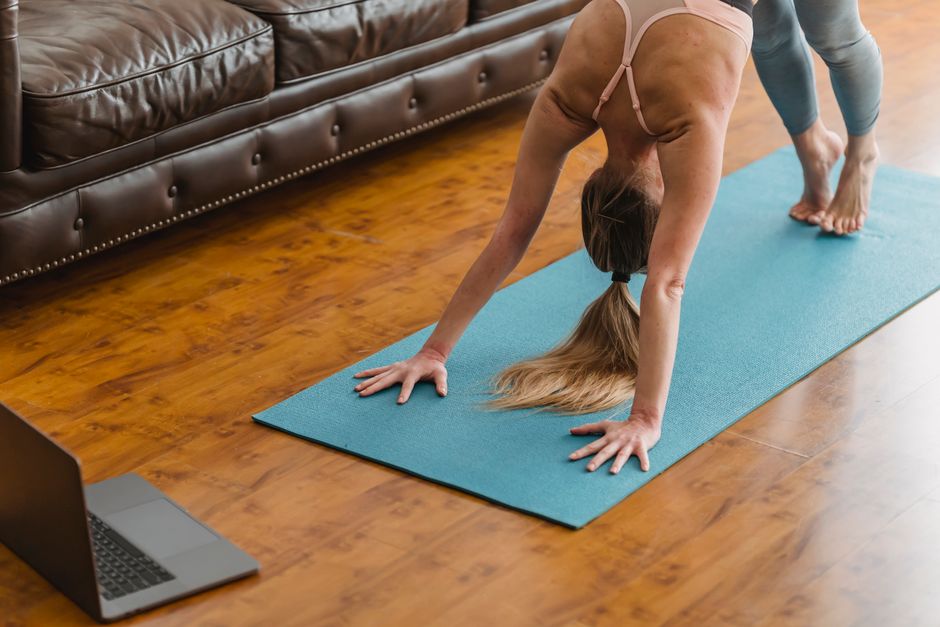
Downward-Facing Dog (Adho Mukha Svanasana) is a common pose that stretches the entire body. It is an inverted V-shape, with hands and feet on the ground and hips lifted. Key alignment points include spreading the fingers, pressing through the hands, and lengthening the spine. The heels may or may not touch the ground, depending on flexibility. This pose can be modified by bending the knees or using a wall for support. It is often used as a transition between other poses and can be held for several breaths.
Child’s Pose (Balasana) is a resting pose that can be used to pause and reset. It involves kneeling, sitting back on the heels, and folding forward with arms extended or alongside the body. Alignment considerations include keeping the spine long and relaxing the shoulders. It can be adapted with a blanket under the knees or a cushion under the forehead for comfort. This pose may provide a moment of calm and can be included at any point in a sequence.
Other foundational asanas include Cat-Cow (Marjaryasana-Bitilasana), which involves spinal flexion and extension on hands and knees, and Corpse Pose (Savasana), a supine relaxation pose. These postures are often used to warm up, cool down, or transition between more active poses. Together, they form a base that can be expanded upon as a practice evolves.
Alignment Tips for Safe Practice
Proper alignment in foundational asanas can help reduce the risk of discomfort and support a sustainable practice. In Mountain Pose, it is important to avoid locking the knees and to keep the pelvis in a neutral position. The shoulders should be relaxed, and the chin parallel to the floor. One might imagine a string lifting the crown of the head upward while the feet root down. This creates a sense of axial extension.
In Downward-Facing Dog, attention to the hands and shoulders is key. The hands should be shoulder-width apart, with the index fingers pointing forward. Pressing through the base of the fingers and lifting the inner wrists can help protect the wrists. The shoulders should be away from the ears, and the upper back broad. If the hamstrings are tight, bending the knees can allow the spine to lengthen. It is common to prioritize spinal length over straight legs.
For Child’s Pose, the knees can be together or apart, depending on comfort. If the knees are together, it may be helpful to place a bolster or blanket between the calves and thighs. The arms can be extended forward or rested alongside the body. The forehead may rest on the mat or on a block. Breathing should remain smooth and steady. This pose is often used as a resting position, so there is no need to force any stretch.
General alignment principles include moving with the breath, avoiding pain, and using props as needed. It is advisable to practice on a non-slip surface and to wear comfortable clothing. Mirrors can be helpful for checking alignment, but they are not necessary. Listening to the body’s signals is a fundamental aspect of a safe practice. When in doubt, simplifying the pose or seeking guidance from a qualified instructor can be beneficial.
Sequencing for a Daily Home Practice
A well-structured sequence can help create a balanced and safe home practice. A common approach is to begin with centering and breath awareness, then move through warm-up poses, followed by standing poses, and ending with cooling and relaxation poses. Foundational asanas can be arranged in various ways to suit different needs and time constraints. A short practice might include only a few poses, while a longer practice can incorporate more.
One example of a simple sequence is: start in Mountain Pose for several breaths, then move to Cat-Cow for a few rounds, followed by Downward-Facing Dog, and then Child’s Pose. This sequence can be repeated or expanded. Another option is to link Mountain Pose with standing poses like Warrior I and II, then transition to Downward-Facing Dog, and finish with Child’s Pose and Corpse Pose. The order can be adjusted based on energy levels and intentions.
When sequencing, it is common to consider the principle of counterposing. For example, after a backbend, a forward fold can help balance the spine. After a twist on one side, practicing the twist on the other side is typical. Gradually increasing intensity and then decreasing it can help prevent strain. Including resting poses between more active ones can support recovery. The breath often serves as a guide for pacing; moving with the breath can enhance the flow.
For a daily practice, consistency may be more important than duration. Even 10 to 15 minutes of focused practice can be beneficial. It can be helpful to set a regular time and place for practice. Using a mat and having props nearby can make the practice more accessible. Keeping a journal of sequences and observations may support progress over time. Remember that the practice is personal and can be adapted to individual preferences and limitations.
Integrating Mindfulness and Breath
Mindfulness and breath are integral to yoga practice. In foundational asanas, bringing attention to the breath can help anchor the mind and enhance body awareness. For instance, in Mountain Pose, one might observe the natural rhythm of the breath and the sensations in the feet and legs. In Downward-Facing Dog, the breath can be used to create space in the spine on the inhale and to deepen the pose slightly on the exhale. In Child’s Pose, the breath can be felt in the back of the body, promoting relaxation.
Mindfulness involves non-judgmental awareness of the present moment. During practice, thoughts may arise; acknowledging them and returning to the breath is a common technique. This can be applied in any pose. The goal is not to empty the mind but to cultivate a gentle awareness. This process can be practiced both on and off the mat.
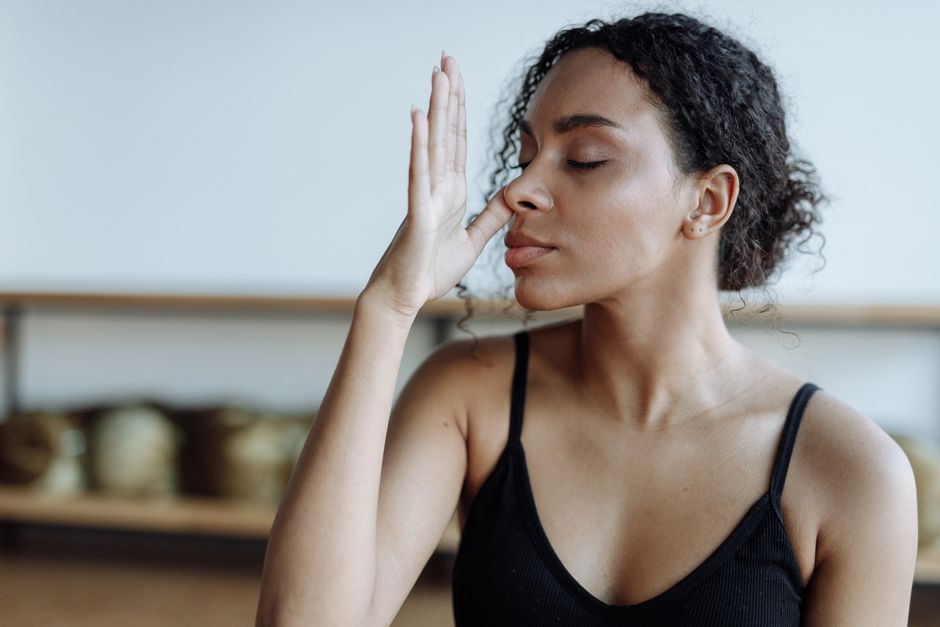
Breathwork, or pranayama, can also be incorporated. Simple practices like equal breathing, where inhale and exhale are the same length, can be done in Mountain Pose or seated. It is important to approach breathwork with ease and not to force the breath. If discomfort arises, returning to natural breathing is advisable. The integration of breath and movement is a hallmark of many yoga styles and can be adapted to a home practice.
By focusing on breath and mindfulness, the practice can become a moving meditation. This aspect may contribute to a sense of calm and focus. However, individual experiences vary, and it is important to practice within one’s comfort zone. Consistency in practice can help deepen the connection between body and mind over time.
Modifications and Props for Home Practice
Modifications and props can make foundational asanas more accessible. Common props include blocks, blankets, straps, and bolsters. In Downward-Facing Dog, blocks can be placed under the hands to reduce strain on the wrists or to bring the floor closer. A strap can be used around the upper arms to help keep the hands shoulder-width apart. In Child’s Pose, a blanket can be placed under the knees for cushioning, and a bolster can be used under the torso for support. In Mountain Pose, a block can be placed between the thighs to engage the legs.
Modifications are variations of a pose that adjust for flexibility, strength, or comfort. For example, Downward-Facing Dog can be practiced with bent knees or with hands on a wall. Child’s Pose can be done with knees apart or with a rolled blanket under the sitting bones. Mountain Pose can be practiced with the back against a wall for feedback. These adjustments allow individuals to experience the benefits of the pose while respecting their body’s limits.
It is important to use props correctly and to not force the body into any position. Props are tools to support the practice, not to achieve a perfect shape. When using props, it is advisable to ensure they are stable and placed appropriately. If unsure, seeking guidance from a qualified instructor or consulting reliable resources can be helpful. Over time, as flexibility and strength change, props may be adjusted or removed.
Creating a dedicated space for practice with props readily available can facilitate consistency. A mat, a couple of blocks, a blanket, and a strap are often sufficient for a home practice. Keeping the space tidy and inviting can make it more appealing to practice regularly. However, the most important aspect is to practice with attention and care.
Building Consistency and Avoiding Injury
Building a consistent home practice involves setting realistic expectations and being patient. It can be helpful to start with short, frequent sessions and gradually increase duration and intensity. Listening to the body and taking rest days as needed is important. It is common to experience fluctuations in energy and motivation; honoring these signals can prevent burnout. Establishing a routine, such as practicing at the same time each day, can support habit formation.
Avoiding injury requires attention to alignment, gradual progression, and not pushing beyond comfortable limits. Pain is a signal to stop or modify. If a pose causes sharp pain, it is advisable to back off and possibly consult a healthcare professional. Warming up before practice and cooling down after can help prepare and recover the body. Staying hydrated and practicing on a non-slip surface are also considerations.
It is important to remember that yoga is not a competition. Comparing oneself to others or to images online can lead to unnecessary risk. Each person’s body is unique, and the practice should reflect that. Seeking guidance from a qualified instructor, especially when trying new poses, can provide valuable feedback. However, many foundational asanas can be learned from reputable sources and practiced safely at home.
In summary, foundational asanas such as Mountain Pose, Downward-Facing Dog, and Child’s Pose offer a solid basis for a home yoga practice. With attention to alignment, sequencing, mindfulness, and modifications, individuals can develop a safe and sustainable routine. The information provided here is for educational purposes and should be adapted to individual circumstances. Consulting with professionals as needed is always recommended.