Breathing Techniques to Reduce Stress and Anxiety
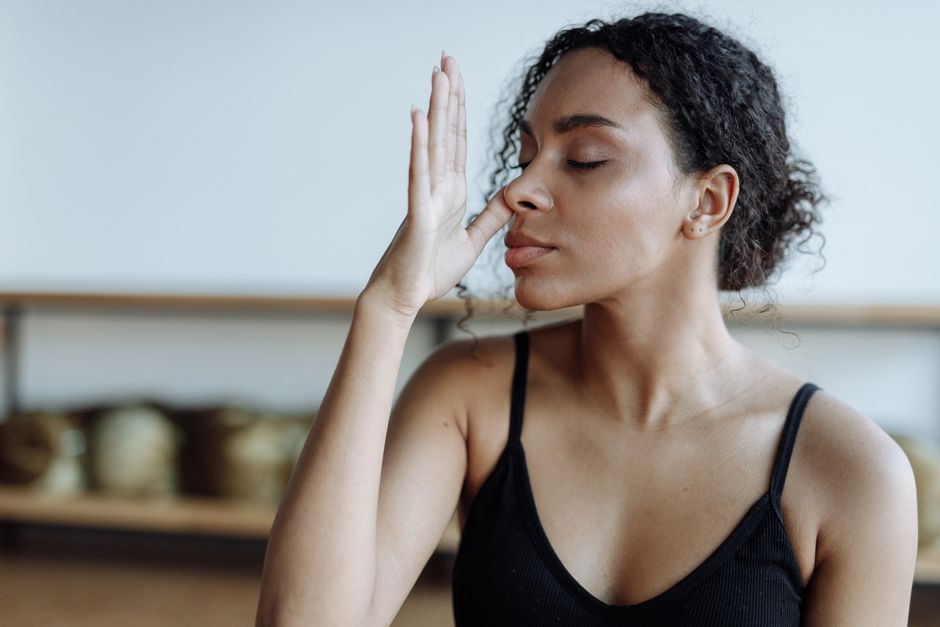
Stress and anxiety are common experiences that can affect daily life in various ways. Many people seek methods to manage these states, and breathing techniques have gained attention as accessible practices. These techniques, often rooted in ancient traditions like pranayama, involve conscious control of breath to influence physiological and psychological states. While individual responses vary, many find that such practices offer a structured way to promote relaxation and focus.
In this article, we explore two widely discussed pranayama methods: alternate nostril breathing and box breathing. We provide step-by-step instructions and context about their potential roles in calming the mind and body. The information is presented for educational purposes, and it is always advisable to consult qualified professionals for personalized guidance, especially if you have underlying health conditions. The practices described here are not a substitute for medical or psychological treatment.
Understanding the mechanics and intentions behind these techniques can help you integrate them mindfully into your routine. The following sections outline the background, instructions, and considerations for each method, along with general principles for practice. Remember that consistency and patience are often emphasized, but outcomes depend on many individual factors.
Understanding Pranayama and Its Relevance
Pranayama is a component of yoga that focuses on breath regulation. The term is derived from Sanskrit, where “prana” means life force or breath, and “ayama” means extension or control. In contemporary contexts, pranayama is often approached as a set of techniques to enhance well-being. While rooted in ancient Indian traditions, these practices have been adapted and studied in modern settings for their potential effects on stress and anxiety.
Research suggests that conscious breathing can influence the autonomic nervous system, which regulates involuntary functions like heart rate and digestion. By modulating breath, individuals may experience shifts in physiological arousal. However, the exact mechanisms and outcomes are complex and vary among individuals. It is important to approach pranayama with an open mind and without expectations of specific results.
Alternate nostril breathing and box breathing are two examples of pranayama techniques that are often taught for relaxation. They differ in pattern and focus, but both emphasize slow, deliberate breathing. These methods can be practiced almost anywhere and require no special equipment. They are typically considered safe for most people, but if you have respiratory or cardiovascular conditions, consult a healthcare provider before starting.
Alternate Nostril Breathing (Nadi Shodhana)
Alternate nostril breathing, also known as Nadi Shodhana, involves breathing through one nostril at a time in a specific sequence. This practice is thought to balance the flow of energy in the body and calm the mind. It is often used as a preparatory practice for meditation. The technique is gentle and can be adapted for different levels of experience.
Step-by-Step Instructions
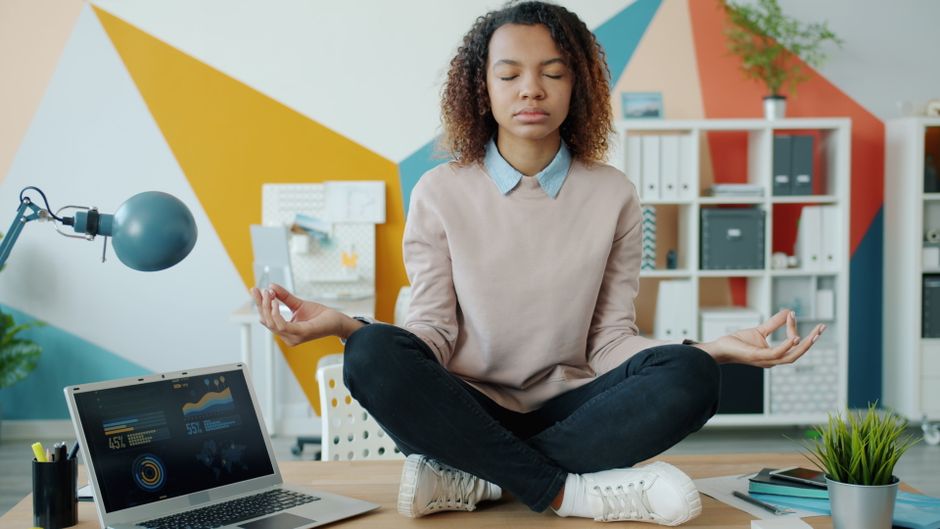
To practice alternate nostril breathing, find a comfortable seated position with your spine relatively straight. You can sit on a chair or on the floor with cushions. Close your eyes softly and take a few natural breaths to settle in. Then, follow these steps:
- Use your right hand to form a gentle fist, then extend your thumb, index finger, and pinky. Alternatively, you can use your thumb and ring finger to close the nostrils.
- Close your right nostril with your thumb and inhale slowly through your left nostril.
- At the top of the inhale, close your left nostril with your ring finger (or index finger) and release your right nostril.
- Exhale slowly through your right nostril.
- Inhale through your right nostril, then close it and exhale through your left nostril.
- This completes one round. Continue for several rounds, maintaining a smooth, steady breath.
Aim for a 1:1 ratio of inhale to exhale, without straining. If you feel lightheaded, return to normal breathing. Start with 5–10 rounds and gradually increase if comfortable. The practice should feel calming, not forced. Remember that consistency over time is often emphasized, but there is no fixed timeline for effects.
Potential Considerations
Alternate nostril breathing is generally considered safe, but it may not be suitable for everyone. If you have nasal congestion, a cold, or sinus issues, you might find it difficult or uncomfortable. In such cases, skip the practice until you feel better. Pregnant women and those with heart conditions should consult a doctor before trying it. Also, avoid practicing immediately after meals.
Some people may experience mild dizziness or agitation. If that happens, stop and breathe normally. The technique is not a replacement for medical treatment for anxiety or stress. It is a complementary practice that may support overall well-being when used appropriately.
Box Breathing (Sama Vritti with Ratios)
Box breathing, also known as square breathing, is a technique that involves equal durations of inhale, hold, exhale, and hold. It is often used to promote focus and reduce acute stress. The pattern resembles a square, with four equal sides. This method is simple and can be practiced discreetly in various settings.
Step-by-Step Instructions
To practice box breathing, sit comfortably with your back supported. You can also do it lying down. Close your eyes if you wish. Begin by exhaling completely. Then:
- Inhale through your nose for a count of 4.
- Hold your breath for a count of 4.
- Exhale through your nose or mouth for a count of 4.
- Hold your breath again for a count of 4.
- Repeat the cycle for several minutes.
If counting to 4 feels too long, you can start with a count of 3 or even 2, as long as all phases are equal. The key is to maintain a comfortable pace. Do not force the breath. As you become more comfortable, you can gradually increase the count to 5 or 6, but only if it feels natural. Practice for 5–10 cycles initially.
Box breathing can be done anywhere—at work, before a meeting, or during a break. It is often recommended as a quick reset. However, holding the breath may not be suitable for everyone, especially those with respiratory or cardiovascular issues. If you feel uncomfortable, return to normal breathing.
Potential Considerations
Box breathing is generally safe, but it may cause lightheadedness in some individuals. If you have high blood pressure, heart conditions, or are pregnant, consult a healthcare provider before practicing breath retention. Also, avoid practicing while driving or operating machinery. The technique is not a substitute for professional care for anxiety disorders.
Some people find that box breathing increases anxiety due to the holds. If that happens, consider alternative techniques like extended exhale breathing. Always listen to your body and adjust accordingly. The goal is to promote relaxation, not to create more stress.
Integrating Techniques into Daily Life
Both alternate nostril breathing and box breathing can be integrated into daily routines. You might practice them in the morning to set a calm tone for the day, or in the evening to unwind. Some people use them before meditation or yoga. The key is to find a consistent time and place that works for you.
It can be helpful to start with short sessions, such as 5 minutes, and gradually extend the duration. Using reminders or pairing the practice with existing habits (like after brushing teeth) can support consistency. However, missing a day does not mean failure; simply resume when you can. The benefits, if any, are often cumulative and depend on various factors.
Creating a comfortable environment can enhance the experience. Dim lighting, a quiet space, and comfortable clothing may help. You can also use guided audio or apps, though Mindful Flow offers resources that some may find supportive. Remember that these practices are tools, and their effects are individual.
It is also important to approach these techniques with a non-judgmental attitude. If your mind wanders, gently bring it back to the breath. The practice is not about perfect concentration but about cultivating awareness. Over time, you may notice changes in how you respond to stress, but this is not guaranteed and varies from person to person.
Safety and Professional Guidance
While breathing techniques are generally low-risk, they are not without considerations. People with certain health conditions should exercise caution. Always consult a qualified healthcare provider before starting any new practice, especially if you have respiratory, cardiovascular, or mental health conditions. This is particularly important if you are pregnant or taking medication.
Breathing exercises are not a replacement for professional treatment for anxiety, stress, or other conditions. If you experience severe anxiety or persistent stress, seek help from a licensed therapist or doctor. These techniques can be complementary but should not delay necessary care.
Additionally, if you experience pain, discomfort, or worsening symptoms during practice, stop immediately and seek advice. The information provided here is for educational purposes and does not constitute medical advice. Individual results may vary, and no specific outcomes are promised.
Mindful Flow encourages a mindful approach to well-being, emphasizing that breath practices are one of many tools. Always prioritize your safety and well-being, and use these techniques as part of a holistic approach to health.