Back pain is a common concern that affects many individuals, and yoga is often explored as a complementary approach to manage discomfort. When practiced with attention to proper alignment and individual limitations, certain asanas (poses) may support spinal health and overall well-being. However, it is important to recognize that yoga is not a one-size-fits-all solution. The effectiveness of any pose depends on factors such as the specific nature of the back issue, overall fitness level, and guidance from qualified professionals.
This article provides an overview of gentle yoga poses that are often considered safe for various back conditions, along with necessary modifications and precautions. The information is intended for educational purposes and should not replace personalized advice from a healthcare provider or a certified yoga instructor. Before starting any new exercise routine, especially when dealing with back pain, consulting with a medical professional is advisable to ensure safety and appropriateness.
Mindful Flow encourages an approach that prioritizes body awareness and gradual progression. By understanding the principles behind each pose and respecting the body’s signals, practitioners can potentially reduce the risk of injury and foster a supportive environment for healing. The following sections outline key considerations, specific asanas, and practical tips for integrating yoga into a back-care regimen.
Understanding Back Pain and Yoga’s Role
Back pain can arise from various causes, including muscle strain, poor posture, disc issues, or underlying medical conditions. It is essential to distinguish between different types of pain and seek proper diagnosis before engaging in any physical activity. Yoga, with its emphasis on gentle movement, breath awareness, and relaxation, may help alleviate certain types of chronic back pain by improving flexibility, strengthening supporting muscles, and reducing tension. However, acute or severe pain requires medical attention, and yoga should not be used as a substitute for professional treatment.
Research suggests that yoga can be beneficial for chronic low back pain when practiced under appropriate guidance. The combination of physical postures, breathing techniques, and meditation may address both physical and psychological aspects of pain. Yet, individual responses vary widely, and what works for one person may not work for another. It is crucial to approach yoga with a mindset of experimentation and caution, paying close attention to how the body responds.
Before beginning any yoga practice for back pain, consider the following general precautions: avoid poses that involve deep twisting, forward bending, or backward bending if they exacerbate symptoms; use props such as blocks, straps, and blankets to support the body and reduce strain; and never push through sharp or radiating pain. A qualified instructor can help tailor poses to specific needs and ensure safe alignment.
Gentle Poses for Back Pain Relief
Several yoga poses are commonly recommended for back pain due to their gentle nature and ability to promote spinal alignment. These poses often focus on stretching and strengthening the muscles that support the back, without placing excessive stress on the spine. It is important to start slowly and hold each pose for a comfortable duration, gradually increasing as tolerance builds.
One foundational pose is Cat-Cow (Marjaryasana-Bitilasana), which involves alternating between arching and rounding the spine on hands and knees. This movement helps improve spinal flexibility and warm up the back muscles. Another beneficial pose is Child’s Pose (Balasana), a resting posture that gently stretches the lower back and hips. For those with limited mobility, placing a bolster or blanket under the torso can provide additional support.
Other gentle options include Pelvic Tilts, performed lying on the back with knees bent, which help activate the core and stabilize the lower back. The Sphinx Pose (Salamba Bhujangasana) is a mild backbend that can strengthen the spine and open the chest, but it should be avoided if it causes discomfort. Legs-Up-the-Wall Pose (Viparita Karani) is a restorative inversion that may reduce tension in the lower back and promote relaxation.
When practicing these poses, always move slowly and breathe deeply. If any pose increases pain, stop immediately and consult a professional. Modifications such as using a chair for support or performing poses lying down can make them more accessible. Remember that consistency and patience are key; forcing the body into a pose can lead to injury.
Modifications for Common Spinal Issues
Different spinal conditions require specific modifications to ensure safety. For example, individuals with herniated discs should avoid deep forward bends and twisting poses, as these can increase pressure on the discs. Instead, gentle backbends like Sphinx Pose or prone extensions may be more suitable, but only if they do not cause pain. Those with lumbar stenosis may find relief in forward bends, such as a supported forward fold, as these can create more space in the spinal canal.
For people with osteoporosis, avoiding forward bends and twists is critical due to the risk of compression fractures. Focus on upright poses that strengthen the back and improve posture, such as Mountain Pose (Tadasana) and gentle backbends. Always use props and avoid sudden movements. In cases of scoliosis, asymmetrical poses can help balance the spine, but they must be performed under expert supervision to avoid worsening the curvature.
It is also important to consider the role of core strength in supporting the back. Poses like Plank and Bird-Dog can be beneficial, but they need to be modified for beginners or those with pain. For instance, performing Plank with knees on the ground reduces the load on the spine. Similarly, Bird-Dog can be done with just the arm or leg lift, rather than both simultaneously. These modifications help build stability without overwhelming the back.
Mindful Flow suggests that practitioners work with a yoga therapist or instructor who has experience in back care to receive personalized modifications. Each individual’s condition is unique, and a tailored approach is essential for safety and effectiveness.
Precautions and When to Avoid Yoga
While yoga can be beneficial, there are situations where it may not be appropriate. Acute back pain following an injury, pain that radiates down the legs, or pain accompanied by numbness or tingling should be evaluated by a medical professional before starting yoga. In such cases, yoga might aggravate the condition. Additionally, if you have a fever, an acute infection, or are recovering from surgery, it is best to wait until cleared by a doctor.
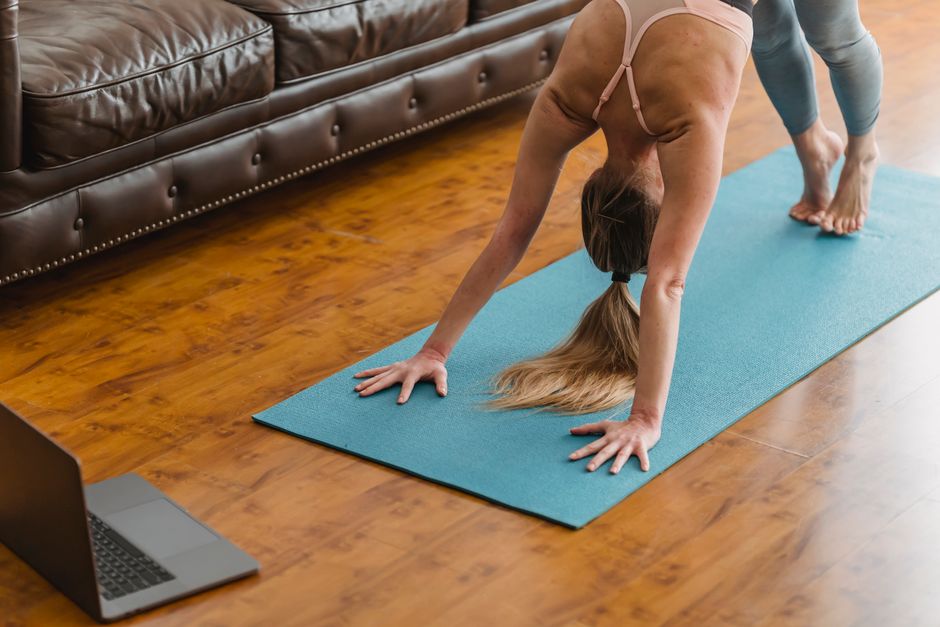
During practice, always listen to your body. Discomfort is different from pain; if a pose causes sharp pain, stop immediately. Avoid pushing into stretches or holding poses for extended periods if they increase discomfort. Use props to support the body and make poses more accessible. It is also wise to avoid inversions if you have high blood pressure or glaucoma, as these can increase pressure in the head.
Pregnant women should modify their practice significantly and avoid lying on the back after the first trimester. They should focus on gentle stretches and avoid deep twists and backbends. Always consult with a healthcare provider before starting any exercise routine during pregnancy.
Remember that yoga is a complementary practice and not a replacement for medical treatment. If back pain persists or worsens, seek professional advice. A qualified instructor can help you navigate these precautions and adapt poses to your needs.
Integrating Yoga into a Back-Care Routine
To incorporate yoga safely into a back-care routine, start with short sessions of 10–15 minutes, focusing on gentle movements and breath. Gradually increase duration as comfort allows. Consistency is more important than intensity; practicing a few times a week can yield better results than sporadic intense sessions. Combine yoga with other forms of physical activity, such as walking or swimming, to support overall spinal health.
Create a calm environment and use props to ensure proper alignment. It may be helpful to follow a guided sequence or work with an instructor initially. Mindful Flow offers resources and classes that emphasize safety and individualized attention, but always check with your healthcare provider before beginning any new program. Pay attention to how your body feels during and after practice, and adjust accordingly.
In conclusion, yoga can be a valuable tool for managing back pain when practiced with caution and proper modifications. By understanding the specific needs of your spine, avoiding contraindicated poses, and seeking professional guidance, you can potentially enjoy the benefits of yoga without exacerbating your condition. Always prioritize safety and listen to your body’s signals.